Semi trucks rely on robust clutch systems that can handle significant torque, long hours of operation, and the persistent stress of heavy loads. The clutch is one of the most critical parts of your drivetrain, bridging the connection between your engine and transmission. Understanding how it works, when adjustments are needed, and the signs of wear or failure can help you prevent costly repairs and keep your rig performing at its best.
Proper operation and routine care are essential. Simple habits, like starting in the right gear, engaging smoothly, and avoiding holding your truck on a hill with a slipping clutch can drastically improve clutch longevity. Likewise, knowing how to identify potential problems early can save you both money and time.
How Semi Truck Clutches Work
A semi truck clutch must manage enormous power loads while enabling smooth gear transitions. When functioning properly, it transmits power efficiently from the engine to the transmission and then to the wheels. However, heavy-duty operation combined with rough shifting or poor driving habits can quickly wear out even the strongest clutch system.
Your clutch’s performance depends on how it is used. For instance, excessive coasting in gear with the clutch disengaged or overloading your vehicle can create unnecessary strain. Training and attention to driving habits help ensure smoother operation and extend clutch service life. Regular maintenance checks allow you to catch small issues, like stiffness or slipping, before they grow into major mechanical problems.
Read on to learn how to adjust clutches, when to replace them, and more.
What Is a Semi Truck Clutch, and What Are Its Components?
The clutch is a mechanical assembly that connects and disconnects the power from the engine to the transmission. When the clutch pedal is pressed, it momentarily separates these systems, letting you shift gears without damaging components.
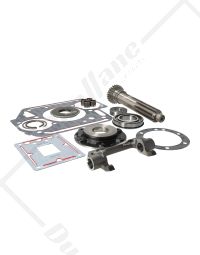
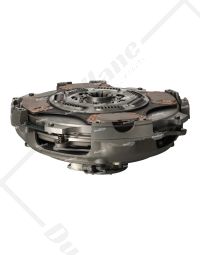
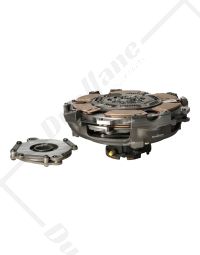
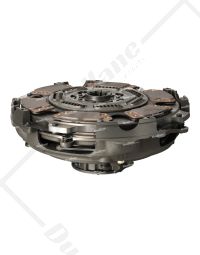
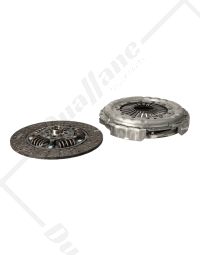
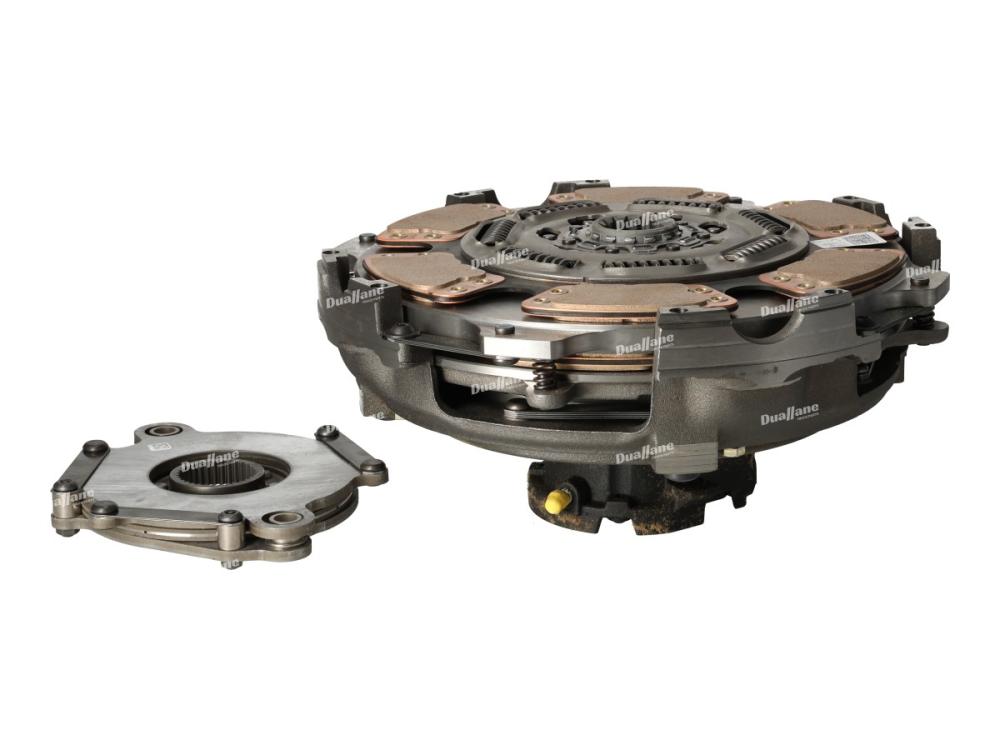
A semi truck clutch includes several key parts:
-
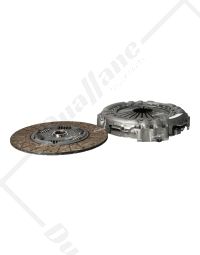
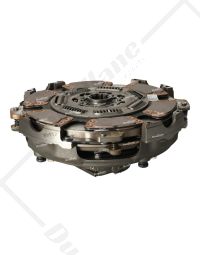
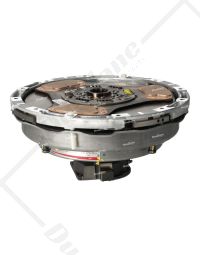
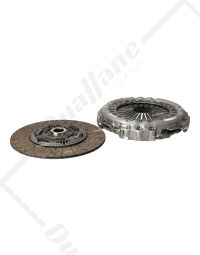
The clutch disc, a friction plate that connects to the flywheel and engages the engine’s power.
-
The pressure plate, which applies the needed force to hold the clutch disc against the flywheel.
-
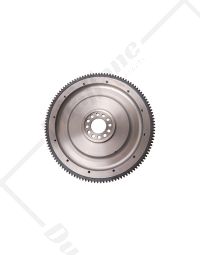
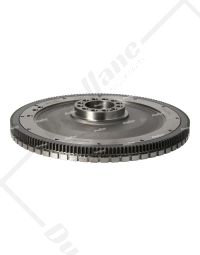
The flywheel itself, mounted on the crankshaft, providing a smooth engagement surface.
-
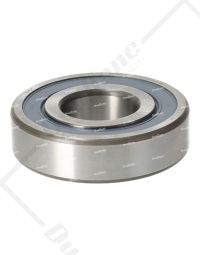
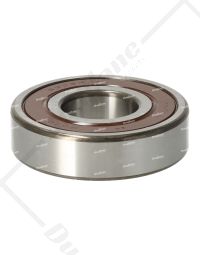
The release bearing, which ensures smooth disengagement as the clutch pedal is pressed.
-
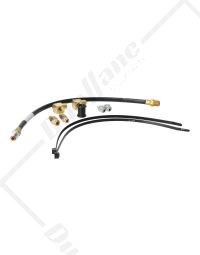
The clutch linkage, which transmits pedal movement through cables or hydraulic pressure.
-
The pilot bearing, which supports the transmission input shaft.
-
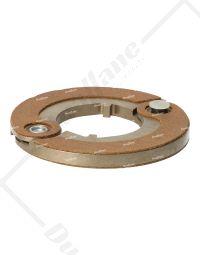
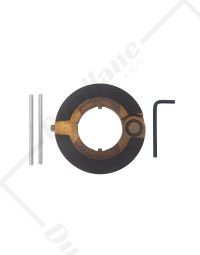
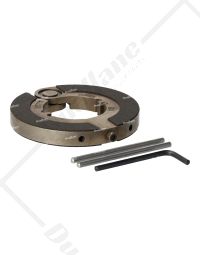
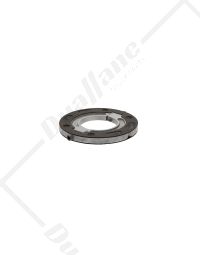
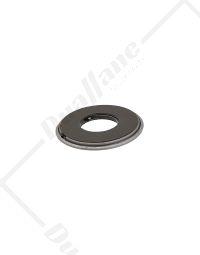
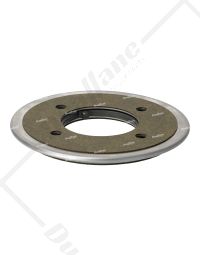
The clutch brake, which helps slow the transmission input shaft for smooth downshifting.

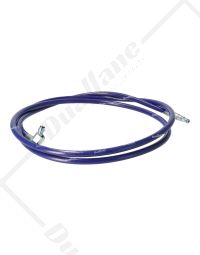
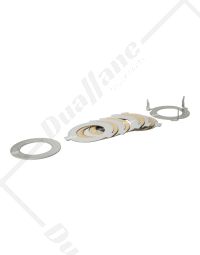
Familiarizing yourself with these components can make spotting wear or issues much easier. For detailed visuals and specifications, Eaton and Duallane Truck Parts offer diagrams and parts breakdowns for heavy-duty clutch assemblies.
Common Clutch Issues, Diagnostic Codes, and Parts Involved
Because these systems operate under constant pressure, semi truck clutches often develop problems that, if ignored, can lead to complete system failure. Recognizing early symptoms and relevant diagnostic codes can help identify the exact issue.
Common clutch problems include slipping (where engine RPM increases but speed doesn’t), chatter or vibration during engagement, a sticky or slow clutch pedal, and burning smells after long uphill drives. Electronic systems in modern trucks can detect specific issues, making diagnostics easier.
Here are some examples of clutch-related diagnostic trouble codes (DTCs):
|
Code |
Description |
|
SPN 2983 FMI 17 |
Clutch life remaining |
|
P106074 |
Clutch plate load actuator slipping |
|
P1064 |
Clutch fast engagement valve |
|
P1065 |
Clutch slow engagement valve |
|
P1066 |
Clutch fast disengagement valve |
|
P1068 |
Fast clutch valves low side circuit |
|
P1069 |
Slow clutch valves low side circuit |
Adjusting the Clutch
Many new trucks feature self-adjusting clutches, but older or mechanically adjusted systems still require hands-on maintenance. The goal of adjustment is to ensure proper pedal free play and clutch release travel so the clutch engages smoothly without slipping.
To adjust your clutch manually, begin by locating the adjuster. It is typically positioned near the pedal assembly or underneath the truck along the clutch linkage. Loosen the locknut, then carefully adjust the mechanism to achieve the necessary free play per your manufacturer’s guidelines. Once satisfied, tighten the locknut and test engagement to confirm a smooth, consistent pedal feel.
Improper adjustment can lead to clutch wear or engagement problems. Always consult your owner’s manual or a qualified mechanic for specifications specific to your truck model.
Knowing When It’s Time to Repair or Replace Your Clutch
Routine maintenance is essential to keep your clutch in top condition. Inspections should take place during every preventive maintenance (PM) service or at least during each oil change. Lubricate the throw-out bearing and cross shafts regularly to prevent binding or excessive friction.
A few clear signs show it may be time for clutch repair or replacement:
-
Difficulty shifting gears
-
Grinding or whining sounds when clutching
-
Burning smells after long drives
-
Pedal engagement that feels inconsistent or unusually stiff
The lifespan of a semi truck clutch typically ranges from 200,000 to 600,000 miles, depending on driving conditions and loads, with an average of about 500,000 miles. When replacing the clutch, it’s recommended to resurface the flywheel, replace the pilot bearing and clutch brake if equipped, and always use new mounting bolts. This ensures even engagement and prevents future issues.
Clutch Related Repairs and Specialized Components
Clutch systems don’t operate in isolation. They depend on supporting parts to transfer hydraulic pressure, transmit pedal input, and regulate actuator movement. Understanding the related systems helps with efficient diagnostics.
Important related services include:
-
Clutch master cylinder replacement, especially when hydraulic pressure loss affects clutch response.
-
Clutch brake replacement, required to ensure proper input shaft deceleration when shifting.
-
SPN 788 transmission clutch actuator replacement, common for trucks with Volvo I-Shift and Detroit DT12 transmissions.
-
Clutch master cylinder replacement and troubleshooting for actuator sensor issues.
-
Clutch adjustment, performed following manufacturer torque and clearance specifications.
Addressing these related issues alongside clutch servicing improves your drivetrain’s reliability and prevents repeated breakdowns.
The clutch is an indispensable piece of every semi truck’s drivetrain, responsible for transferring the massive torque required for heavy-duty driving. Keeping it in top condition takes the right combination of knowledge, habits, and maintenance. Understanding how the clutch operates, identifying issues early, and knowing when to replace key parts will enhance performance and prevent costly downtime.
If your clutch system feels off, don’t wait for it to fail. At Duallane Truck Parts, we carry a full line of heavy-duty clutch components, from clutch discs and pressure plates to master cylinders, actuators, and clutch brakes. Our goal is to keep drivers equipped with everything they need for clutch maintenance, repair, and reliable replacement parts.